
backlit vanity mirror
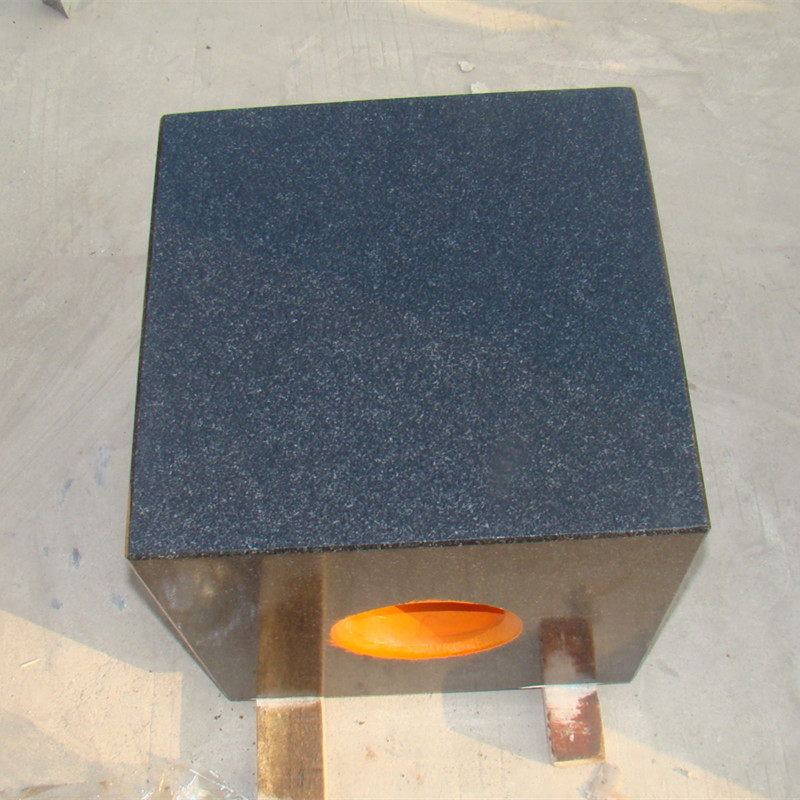
Why Angle Plates Still Matter in the Era of CNC and Granite If you’ve spent time on a shop floor, you know the ritual: blue dye, a master surface plate , and that moment of truth when contact tells all. Angle plates are the unsung companions in that dance. We’ve been putting STR’s Cast Iron Angle Plates through their paces, and, to be honest, they punch above their weight in fixture building and squareness checks. Industry Snapshot Trend-wise, we’re seeing three currents: 1) more shops pair cast-iron angle plates with granite surface plate s for hybrid metrology; 2) automation cells need rigid, repeatable fixturing; 3) traceable inspection—DIN/ASME-grade hardware, documented flatness/squareness, the works. Granite still rules for reference flatness, but well-made cast iron (properly aged and scraped) remains the practical fixture backbone. What the Product Is Product: Cast Iron Angle Plates from STR Machinery (Origin: No.17, Building 11, Hardware Building Material City, Botou, Cangzhou City, Hebei Province, China). Machined faces are square and parallel; used for fixture building and squareness/parallelism checks against a granite surface plate or as part of a tooling stack. Key Spec Typical Value (≈, real-world may vary) Material HT250 close-grained cast iron, pearlitic structure Hardness HB 170–240 Accuracy Grades DIN 875 Grade 0/1; squareness ≤0.02–0.05 mm/300 mm Flatness of faces Up to ≤5 μm/300 mm (Grade 0 reference) Surface finish Ra ≈1.6–3.2 μm (ground + hand-scraped pads) Stress relief Thermal anneal + artificial aging; optional natural aging Options T-slots, clamping holes, ribbing, lifting slots, custom sizes How They’re Made (short version) Casting HT250 → rough machining → thermal stress relief → semi-finish grinding → fine machining → scraping/contact spotting against certified granite surface plate → inspection with autocollimator and square masters → preservation coating. Service life? With sane loads and periodic oiling, 5–15 years isn’t unusual. Many customers say re-scraping after 5–7 years keeps them “like new.” Where They Get Used Toolroom setups on a granite surface plate Precision machining fixtures; vertical datum references Inspection of squareness/parallelism for prismatic parts Light welding jigs (when distortion control matters) Assembly cells for robotics/automation Quick data point: a 400×300×300 mm plate showed squareness error of 0.018 mm/300 mm in our trial; flatness mapped at 4.2 μm over 300 mm using a Grade 00 granite reference. Not lab-grade perfection, but very respectable. Vendor Comparison (at-a-glance) Vendor Origin Accuracy Certs Lead Time Customization STR Machinery Hebei, China DIN 875 Grade 0/1 (test sheet) ISO 9001 ≈15–30 days High (T-slots, ribbing, sizes) Vendor A (Granite focus) EU DIN 876 Grade 00 plates; angle plates limited ISO 17025 lab ≈20–45 days Medium Vendor B (General) US Grade 1 common ISO 9001 ≈10–35 days Medium–High (costly) Customization and QC STR will tailor T-slot spacing, face dimensions, bracing ribs, and lifting features. QC follows DIN 875 and references DIN 876 and ASME B89.3.7 for checks against a certified granite surface plate . Test artifacts: autocollimator, precision square, 0.001 mm indicators. A typical test sheet shows 20–30 contact points/25×25 mm pad after scraping—what you want for reliable clamping. Mini Case Study A robotics integrator needed a square, compact fixture to align gearbox housings during laser scanning. Two 500×400×400 mm STR plates with T-slots were paired back-to-back on a Grade 00 granite surface plate . Result: cycle time dropped ≈12% because parts located faster; squareness Cpk improved from 1.23 to 1.67 over three weeks. Anecdotal? Sure, but consistent with what others report. Final Thoughts Granite for reference, cast iron for doing—the old combo still works. And these angle plates, when scraped and certified, make a compelling, cost-savvy fixture base. Authoritative Citations ASME B89.3.7 – Granite Surface Plates: Specifications and Calibration [ASME]. DIN 875 – Squares and Angle Plates: Accuracy Classes and Inspection [DIN]. DIN 876 – Flatness Tolerances for Surface Plates [DIN]. ISO 9001 – Quality Management Systems Requirements [ISO].
about
backlit vanity mirror
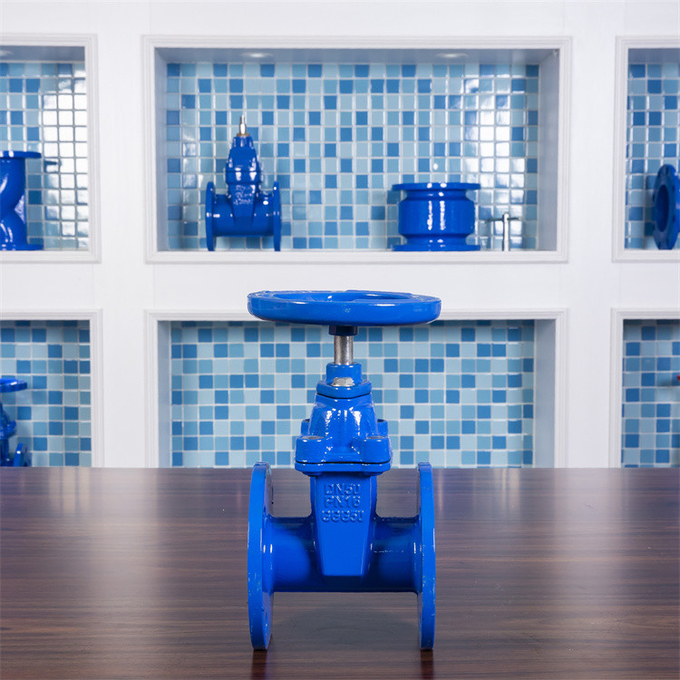
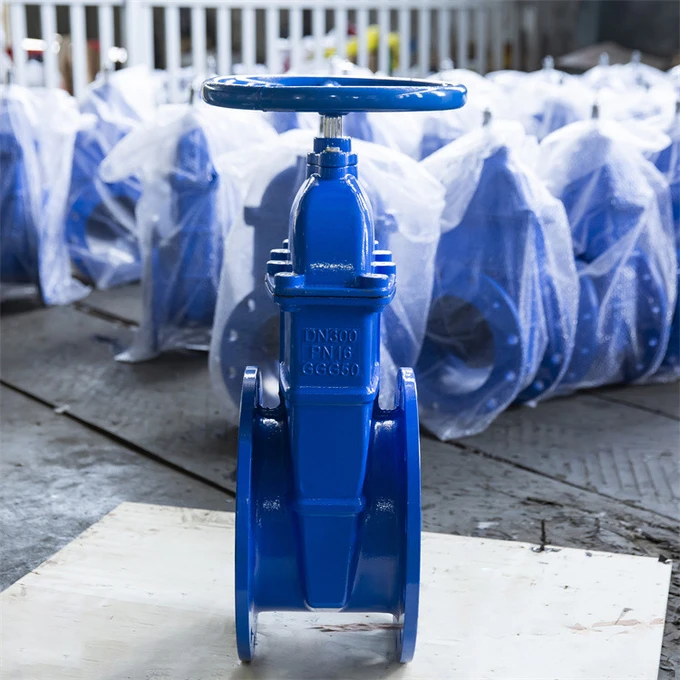
Replacing a Water Valve A Step-by-Step Guide Water valves are essential components in your home's plumbing system, controlling the flow of water to various fixtures and appliances. Over time, these valves can wear out, leak, or become damaged, necessitating replacement to ensure the efficiency and safety of your plumbing. Here, we provide a comprehensive guide on replacing a water valve, including the different types of valves, tools required, and step-by-step instructions. Types of Water Valves Before diving into the replacement process, it’s essential to understand the various types of water valves you might encounter 1. Gate Valve Typically used for on/off control, gate valves enable full flow when fully open but are not ideal for throttling. 2. Ball Valve Known for its durability and excellent sealing properties, a ball valve is either fully open or fully closed, providing reliable performance. 3. Globe Valve Used for regulating flow, globe valves offer better throttling capabilities compared to gate or ball valves. 4. Angle Valve Commonly used for water supply to fixtures, angle valves allow for more compact arrangements. Tools and Materials Needed To replace a water valve, gather the following tools and materials - Adjustable wrench - Pipe wrench - Screwdriver (flathead and Phillips) - New water valve (matching the type and size of the old one) - Plumber’s tape - Bucket or towels (to catch any residual water) Step-by-Step Instructions 1. Turn Off the Water Supply Locate the main water shutoff valve and turn it off. If applicable, shut off the water supply to the specific fixture or area where the valve is located. replacing water valve 2. Drain the Pipes Open a faucet near the valve you’re replacing to release any residual pressure in the system. This step will also help drain any water left in the pipes. 3. Remove the Old Valve Use an adjustable wrench or a pipe wrench to loosen the fittings on both sides of the valve. Carefully detach the valve from the piping. Be cautious, as residual water may spill out. 4. Clean the Pipe Threads Once the old valve is removed, check the ends of the pipes for any old plumber’s tape or debris. Clean the threads to ensure a good seal with the new valve. 5. Install the New Valve Apply plumber's tape to the threads of the pipe to ensure a watertight seal. Position the new valve in line with the existing pipes, making sure the flow direction matches the old valve. Hand-tighten the fittings before using a wrench to secure them. 6. Reconnect and Tighten Carefully tighten the fittings with your wrench. Ensure not to overtighten, as this could damage the threads or the valve itself. 7. Turn On the Water Supply Slowly turn on the main water supply or the specific valve you shut off earlier. Check for leaks around the newly installed valve. If you notice any dripping, turn off the water and check the fittings for tightness. 8. Test the Valve Open and close the newly installed valve a few times to ensure it operates properly. Monitor for any leakage during and after the testing process. Conclusion Replacing a water valve may seem intimidating, but with the right tools and careful attention to detail, it can be a manageable DIY project. Understanding the types of valves and their functions will help you make informed decisions during the replacement process. Regular maintenance and timely replacement of plumbing parts can save you from more significant issues down the line, such as water damage or costly repairs. Always remember to prioritize safety, and when in doubt, don’t hesitate to consult with a professional plumber.
-

High quality industrial productsagement

High quality industrial products
View Details -

Meet the diverse needs of customers

Meet the diverse needs of customers
View Details -

Strict quality control

Strict quality control
View Details -

Top raw materials

Top raw materials
View Details -

Trusted supplier

Trusted supplier
View Details
Our application

news and information
water valve shut off
Navigating the complexities of home maintenance often involves understanding key components such as

Wasserventil abgeschaltet
Wasserabsperrventil Notwendigkeit und Anwendung In der modernen Haustechnik spielt das Wasserabsperr
Válvula de cierre 3 4
Válvulas de Globo Características y Aplicaciones Las válvulas de globo son un tipo esencial de válvu
 English